Planning a Kenya migration safari is not complicated once you know the correct sequence. The problems that derail trips come from skipping steps: booking a camp before confirming the travel window, choosing a budget tier before understanding what it does and does not include, or arriving without the right gear for early morning game drives in a cold open vehicle.
This checklist covers 20 steps in the order they should be taken. The sequence matters.
Before You Book: Steps 1 to 7
Step 1: Decide Your Travel Window
The migration calendar has distinct phases. The wildebeest herd reaches the Masai Mara from July onwards. Mara River crossings are most likely between mid-July and late October, with August and September statistically the most active months for actual crossings.
The first question to settle: are you specifically targeting river crossings? If yes, plan for July, August, or September. If you want the broader Masai Mara wildlife experience with the migration as context rather than centrepiece, June and October offer strong game viewing at shoulder-season rates.
Step 2: Set a Total Budget, Not Just a Per-Night Rate
The most common planning mistake is starting with a per-night figure without accounting for the full cost stack. Your total budget must include:
- International flights to Nairobi
- Accommodation and camp fees (per person per night, all-inclusive)
- Masai Mara National Reserve or conservancy conservation fees ($80-$200 per person per night)
- Charter flight or ground transfer to the Mara ($80-$450 per person each way)
- Travel insurance with medical evacuation cover
- Pre- and post-safari Nairobi accommodation
- Gear, vaccines, and personal expenses
Work backwards from your total travel budget to arrive at a realistic camp tier before approaching operators.
Step 3: Choose Between National Reserve and Private Conservancy
This is the most consequential planning decision after timing.
The Masai Mara National Reserve has the widest access and the broadest range of camps across all price points. It prohibits off-road driving and restricts night drives.
Private conservancies adjoining the Reserve (Mara North, Mara Naboisho, Olare Motorogi, Ol Kinyei, Mara Triangle) allow off-road driving, night drives, and bush walks. Rates are significantly higher, but the experience is fundamentally different. The best approach for most travellers: combine two to three nights in a conservancy with two to three nights in the Reserve.
Step 4: Decide Flight vs Road Transfer
For any trip under seven days total safari time, take the charter flight from Wilson Airport in Nairobi to the Mara. The road transfer takes 5-6 hours each way and uses a substantial portion of a short trip.
For longer trips of seven nights or more, the road option is viable if you want to see the Kenyan countryside and the transfer cost is a consideration. On any trip of five nights or fewer, the flight is almost always the right call.
Step 5: Identify Your Non-Negotiable Experiences
Before approaching any operator, be clear about what you must see or do.
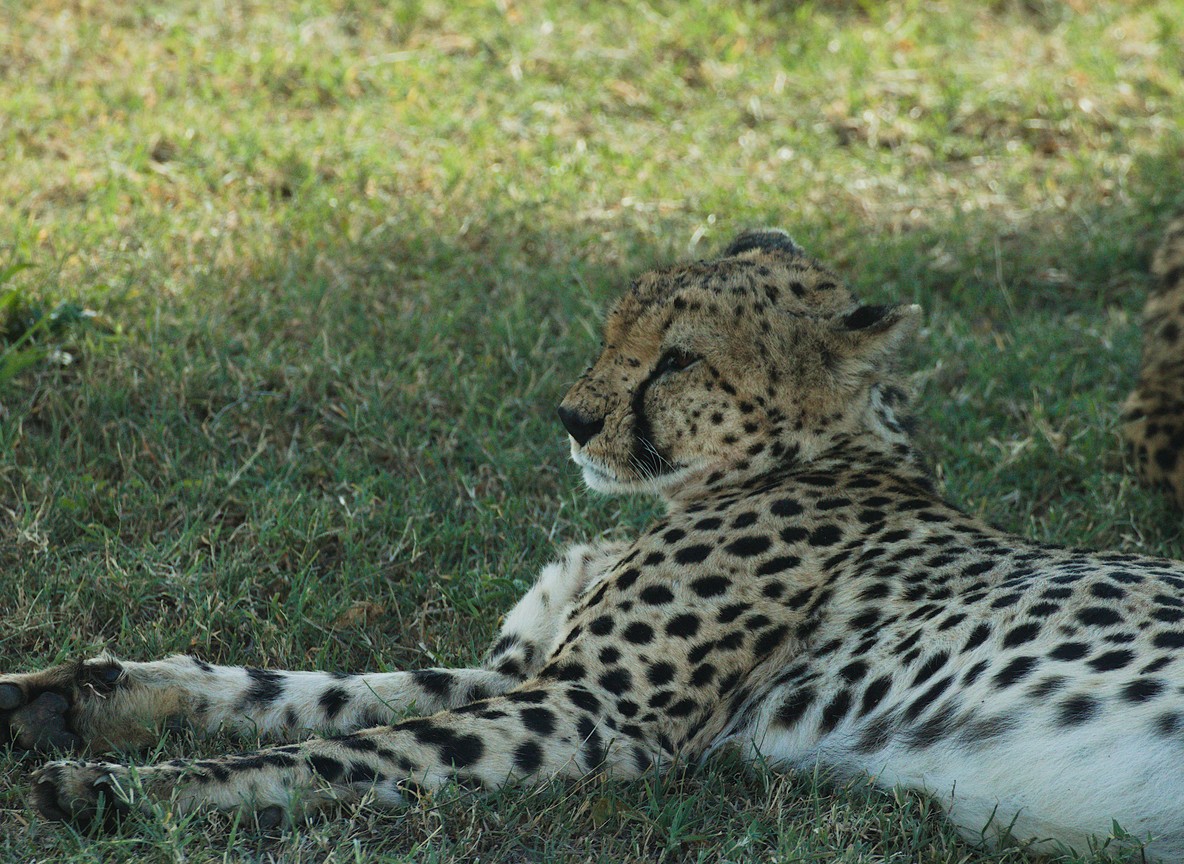
For some travellers, witnessing a Mara River crossing is the sole priority. For others, leopard or cheetah sightings matter most. Some guests want a cultural visit to a Maasai community. Others want maximum game drive time. Some want a specific style of camp: very remote, very small, or with a particular conservation focus.
Your non-negotiables should drive camp selection (proximity to crossing points, guide specialisation) and minimum stay length. For meaningful crossing probability, five nights is the minimum worth planning for.
Step 6: Check Passport and Visa Requirements
Kenya requires a valid passport with at least six months validity beyond your travel dates. Most nationalities need a Kenya eTA (Electronic Travel Authorisation), which replaced the traditional eVisa in 2024. Apply at etakenya.go.ke at least two to three weeks before travel. The eTA costs $32.50 for most nationalities and processes within 72 hours in most cases.
Step 7: Start Vaccine and Health Preparation
Recommended vaccines for a Kenya safari:
- Yellow fever (required if arriving from certain countries; check current requirements at your travel clinic)
- Hepatitis A and B
- Typhoid
- Tetanus/diphtheria booster
- Rabies (optional; recommended for extended stays or travellers spending significant time outdoors)
Malaria prophylaxis is strongly recommended for the Masai Mara and most Kenyan national parks. Consult a travel medicine clinic at least six to eight weeks before departure — some vaccines require multiple doses spaced over several weeks.
The Booking Phase: Steps 8 to 13
Step 8: Get Fully Itemised Quotes from at Least Two Operators
Ask at least two operators for itemised quotes covering identical trip parameters. The quote should list all conservation fees, transport costs, and taxes as separate line items rather than bundled into a single figure. Only itemised quotes can be genuinely compared.
Step 9: Verify Operator Licensing
Any reputable Kenya safari operator should be licensed by the Tourism Regulatory Authority (TRA) and willing to provide their licensing credentials on request. Ask for this before paying any deposit. Membership of Kenya Tourism Federation (KTF) or Kenya Association of Tour Operators (KATO) are additional indicators of an established operator.
Step 10: Confirm What Is and Is Not Included
Before signing any booking confirmation, get written answers to:
- Conservation fees: included or additional?
- Park entrance fees: included or additional?
- Charter flights: included or additional?
- Alcohol: included or additional?
- Laundry: included or additional?
- Guide and camp staff tips: what is the recommended amount, and is any portion included?
Getting this confirmed in writing prevents the most common end-of-trip surprises on safari invoices.
Step 11: Book Your International Flights
Once your camp is confirmed, book your international flights. The standard entry point is Jomo Kenyatta International Airport (NBO) in Nairobi. Check baggage allowances carefully before booking flights: charter aircraft into the Mara have strict soft-sided bag requirements (typically 15-20kg maximum) because of aircraft size. Hard shell cases cannot go on most Mara charter flights.
Arrive in Nairobi the evening before your charter flight. Do not plan to land at Jomo Kenyatta and transfer to a Mara charter on the same day.
Step 12: Arrange Travel Insurance with Medical Evacuation Cover
Standard travel insurance does not cover emergency medical evacuation from a remote Masai Mara location to a hospital in Nairobi. You need a policy that explicitly includes emergency medical evacuation. The Flying Doctors Society (AMREF) offers single-trip and annual evacuation cover specifically designed for East Africa. This is not an optional item.
Step 13: Confirm All Booking Details in Writing
Get written confirmation from your operator that includes:
- Your name, travel dates, and number of guests
- Camp name and room type
- All included services listed individually
- Deposit paid and balance due date
- Cancellation policy in full
Save a digital copy to your phone storage, accessible without an internet connection.
Pre-Departure Preparation: Steps 14 to 17
Step 14: Build Your Gear List
| Item | Notes |
|---|---|
| Binoculars | 8×42 or 10×42 minimum; one pair per person |
| Camera and lenses | 400mm+ for wildlife; 70-200mm for versatility |
| Neutral-coloured clothing | Khaki, olive, tan, brown; avoid blue and black |
| Layering system | Mara morning temperatures: 12-15 degrees Celsius |
| Sun hat and sunscreen | Midday drives are fully exposed |
| Insect repellent | DEET-based, minimum 30% concentration |
| Headlamp | Essential at camps without generator power after 10 p.m. |
| Dust cover for electronics | Mara roads produce heavy fine dust in the dry season |
| Soft-sided luggage | Hard cases are not permitted on most charter flights |
| Small day pack | For water, camera, and field guides during drives |
Step 15: Download Offline Resources
Before departure, download and save:
- Offline maps for the Masai Mara area (Maps.me or similar)
- Bird and mammal field guide apps (Birds of East Africa, Mammals of East Africa)
- Your operator’s contact details and any emergency contacts
- eTA, travel insurance certificate, and booking confirmation to phone storage
These are the items you will want without reliable data connectivity, which is the normal condition in most Mara camps.
Step 16: Sort Currency and Banking
Kenya uses the Kenyan Shilling (KES). Most luxury camps accept major credit cards. Smaller camps and local purchases are typically cash-only. US dollars are widely accepted at camps and lodges — bring small denominations ($5, $10, $20 bills) for flexibility.
Tipping is expected and appreciated. Rough guidance: $15-$25 per day for your guide; $10-$15 per day for camp staff, typically left in the communal tip box at departure.
Step 17: Brief Yourself on Wildlife Ethics
The code of conduct that protects both wildlife and the quality of the safari experience:
- Never ask your guide to approach wildlife closer than they judge appropriate
- Do not stand up or climb out of the vehicle during game drives
- Keep voices low near wildlife, particularly at river crossing sites where sudden noise can abort a crossing
- Never discard anything from the vehicle
- Follow your guide’s instructions immediately and without question in any animal encounter
Arrival and In-Field: Steps 18 to 20
Step 18: Brief Your Guide on Your Priorities on Day One
On your first game drive, tell your guide directly what you are hoping to see. If witnessing a crossing is your primary goal, say so clearly. An experienced Masai Mara guide monitors herd movement and radio communication from other guides continuously. Knowing your priorities changes how they structure the day.
Step 19: Build Flexibility Into Crossing Watches
If a river crossing is the goal, be prepared for extended time at the riverbank. Crossings require patience. Bring a full water supply, snacks, a hat, and sun protection for up to four hours of vehicle-side waiting.
The most effective strategy is positioning well based on morning herd movement data and staying put. Moving from point to point chasing radio tips is consistently less effective than a well-chosen position held with patience.
Step 20: Write Detailed Reviews When You Return Home
Kenya’s safari tourism industry depends on trust and word of mouth. A detailed review on TripAdvisor or Google for your camp and your operator takes five minutes and directly supports the guides, camp staff, and conservation programs that made your trip possible. Write specific reviews rather than general ones: other travellers find concrete detail far more useful than overall impressions.
Reader Next Steps
A well-sequenced approach to planning a Kenya migration safari removes most of the uncertainty from what can appear to be a complex trip. The 20 steps above apply regardless of budget tier or travel window.
For itinerary-specific advice on camp selection, timing, and cost across all tiers, Trunktrails Safaris offers Kenya migration safari planning from initial inquiry through to in-field logistics.
Read more on Tourinsights:
- Kenya migration safari cost 2026: full breakdown by tier
- Kenya luxury safaris 2026: what the top tier delivers
- Masai Mara green season safari: the case for off-peak
Have questions about this itinerary or destination? Get answers from a safari specialist before you commit.
Inquire More